




Blog
- Home
- Blog
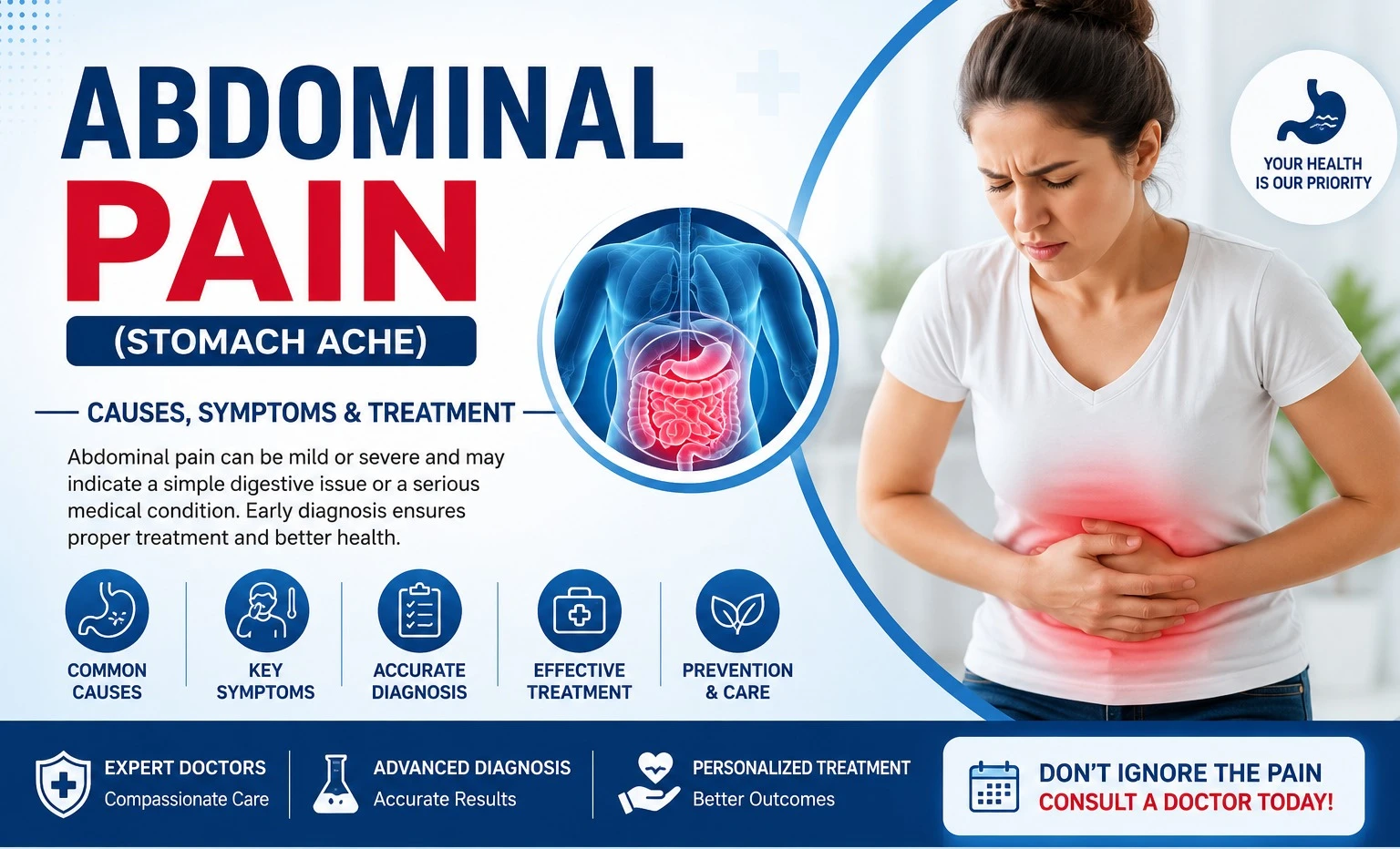
What Is Abdominal Pain?
What Is Abdominal Pain?
Abdominal pain is discomfort or pain felt anywhere between the chest and pelvis. It can range from a mild stomach ache to severe, sharp pain that may indicate a serious medical condition. The pain may originate from the stomach, intestines, liver, gallbladder, pancreas, kidneys, appendix, or other organs within the abdomen.
While many cases are caused by temporary digestive issues such as gas or indigestion, some cases require urgent medical treatment. Understanding the location, type, duration, and accompanying symptoms can help identify the underlying cause and determine when medical evaluation is necessary.
Unlike occasional stomach discomfort after a heavy meal, persistent or intense abdominal pain should never be ignored. Early diagnosis can prevent complications and improve treatment outcomes.
Understanding Abdominal Pain
Abdominal pain is one of the most common reasons people visit a doctor or emergency department. It can affect individuals of all ages from young children to older adults and may develop suddenly or gradually.
The pain may occur because of:
Digestive disorders
Infections
Inflammation
Blockages
Organ diseases
Food intolerance
Urinary tract conditions
Reproductive system disorders
The severity of pain does not always reflect the seriousness of the condition. For example, severe gas pain can mimic appendicitis, while early appendicitis may initially cause only mild discomfort.
Quick Facts About Abdominal Pain
Types of Abdominal Pain
The type of abdominal pain often provides important clues about its underlying cause. Doctors typically classify abdominal pain based on its pattern, intensity, and duration.
1. Acute Abdominal Pain
Acute abdominal pain begins suddenly and usually lasts for a short period. It may require urgent medical evaluation if the pain is severe or associated with other alarming symptoms.
Common Causes
Appendicitis
Food poisoning
Gallstones
Kidney stones
Stomach infection
Pancreatitis
2. Chronic Abdominal Pain
Chronic abdominal pain lasts for several weeks or months and may come and go over time.
Common Causes
Irritable Bowel Syndrome (IBS)
Crohn's disease
Ulcerative colitis
Gastritis
Peptic ulcers
Endometriosis
3. Cramping Pain
Cramping pain often occurs in waves and is commonly linked to intestinal or reproductive system conditions.
Common causes include:
Gas
Constipation
Menstrual cramps
Food poisoning
Diarrhea
4. Sharp or Stabbing Pain
Sharp pain usually develops suddenly and may indicate inflammation or blockage.
Possible causes include:
Appendicitis
Kidney stones
Gallstones
Ovarian cyst rupture
Intestinal obstruction
5. Burning Pain
A burning sensation in the upper abdomen is frequently related to stomach acid.
Common causes:
Acid reflux (GERD)
Gastritis
Stomach ulcers
6. Colicky Pain
Colicky pain comes and goes in intense waves.
It is commonly caused by:
Kidney stones
Gallstones
Intestinal spasms
Abdominal Pain by Location
The location of abdominal pain is one of the most useful clues in identifying the underlying cause. While the exact diagnosis requires medical evaluation, understanding where the pain occurs can help narrow down possible conditions.
Common Causes of Abdominal Pain
Abdominal pain has many possible causes, ranging from harmless digestive issues to serious medical emergencies. Identifying associated symptoms such as fever, vomiting, diarrhea, or changes in bowel habits helps healthcare providers determine the underlying condition.
1. Indigestion (Dyspepsia)
Indigestion is one of the most common causes of stomach discomfort. It usually occurs after eating large meals, spicy foods, or fatty foods.
Symptoms
Burning sensation
Fullness after eating
Mild upper abdominal pain
Bloating
Burping
2. Gas and Bloating
Excess gas trapped inside the digestive tract can produce sudden, sharp, or cramping abdominal pain.
Common causes include:
Eating too quickly
Carbonated drinks
Beans
Dairy intolerance
High-fiber foods
Swallowing excess air
The pain usually improves after passing gas or having a bowel movement.
3. Constipation
Constipation occurs when bowel movements become infrequent or difficult.
Symptoms
Lower abdominal discomfort
Hard stools
Bloating
Feeling of incomplete bowel emptying
Increasing fiber intake, drinking enough water, and staying physically active often help relieve symptoms.
4. Viral Gastroenteritis (Stomach Flu)
Gastroenteritis is an infection that inflames the stomach and intestines.
Common symptoms include:
Cramping abdominal pain
Watery diarrhea
Vomiting
Fever
Loss of appetite
Rest and adequate hydration are essential during recovery.
5. Gastritis
Gastritis is inflammation of the stomach lining.
Causes
Helicobacter pylori infection
Excessive alcohol consumption
Long-term painkiller use
Stress
Smoking
Symptoms may include upper abdominal burning, nausea, bloating, and early fullness after meals.
6. Acid Reflux (GERD)
When stomach acid flows back into the esophagus, it can cause discomfort in the upper abdomen and chest.
Common symptoms include:
Burning pain
Heartburn
Sour taste
Difficulty swallowing
Chronic cough
7. Peptic Ulcers
Peptic ulcers are open sores that develop in the stomach or upper small intestine.
Symptoms
Burning upper abdominal pain
Pain that improves or worsens after eating
Bloating
Nausea
Untreated ulcers may lead to bleeding or perforation, making prompt medical care essential.
8. Appendicitis
Appendicitis is a medical emergency that occurs when the appendix becomes inflamed.
Early Signs
Pain around the belly button
Pain moving to the lower right abdomen
Fever
Nausea
Loss of appetite
Immediate surgical evaluation is often required to prevent rupture.
9. Gallstones
Gallstones form when digestive fluids harden inside the gallbladder.
Pain usually occurs:
After eating fatty meals
In the upper right abdomen
Sometimes radiating to the shoulder or back
Gallstone attacks often require medical assessment and, in some cases, surgery.
10. Kidney Stones
Kidney stones can cause some of the most severe abdominal or flank pain.
Typical symptoms include:
Sudden severe pain
Pain radiating to the groin
Blood in urine
Nausea
Vomiting
11. Irritable Bowel Syndrome (IBS)
IBS is a chronic digestive disorder affecting the large intestine.
Common symptoms include:
Cramping abdominal pain
Bloating
Constipation
Diarrhea
Relief after bowel movement
Although IBS is not life-threatening, lifestyle changes and dietary management can significantly improve symptoms.
Less Common but Serious Causes
While digestive problems account for many cases, abdominal pain can also result from more serious conditions that require prompt medical attention.
Symptoms That May Accompany Abdominal Pain
Abdominal pain is often accompanied by other symptoms that help doctors identify the underlying cause. Paying attention to these symptoms can help determine whether the condition is mild or requires urgent medical care.
Common symptoms include:
Nausea or vomiting
Diarrhea
Constipation
Bloating
Excessive gas
Heartburn or acid reflux
Loss of appetite
Fever
Chills
Blood in stool
Blood in vomit
Pain during urination
Frequent urination
Weight loss
Fatigue
Yellowing of the skin or eyes (jaundice)
When Is Abdominal Pain an Emergency?
Seek immediate medical attention if abdominal pain is severe, sudden, or accompanied by symptoms such as high fever, persistent vomiting, blood in the stool or vomit, difficulty breathing, fainting, or a rigid abdomen. These signs may indicate a life-threatening condition that requires urgent treatment.
Go to the Emergency Department Immediately If You Have:
Do not ignore these symptoms. Early medical treatment can prevent serious complications.
When Should You See a Doctor?
You should schedule a medical evaluation if abdominal pain lasts more than 24-48 hours, keeps returning, or interferes with your daily activities. Even mild pain should be assessed if it is persistent or associated with other concerning symptoms.
Visit a doctor if you experience:
Pain lasting longer than two days
Recurrent abdominal pain
Pain after eating every day
Persistent bloating
Unexplained weight loss
Loss of appetite
Frequent vomiting
Difficulty swallowing
Chronic diarrhea
Chronic constipation
Blood in stool
Pain while urinating
Pain that wakes you at night
Early diagnosis often leads to faster treatment and better outcomes.
How Is Abdominal Pain Diagnosed?
Doctors diagnose abdominal pain by combining your medical history, a physical examination, and diagnostic tests when necessary. The goal is to identify the underlying cause and rule out medical emergencies.
Your doctor may ask:
Where is the pain located?
When did it start?
Is the pain sharp, dull, burning, or cramping?
Does eating make it better or worse?
Have you experienced vomiting or diarrhea?
Have you had similar pain before?
Are you taking any medications?
Physical Examination
The doctor will examine your abdomen for:
Tenderness
Swelling
Guarding
Muscle rigidity
Abnormal bowel sounds
Signs of dehydration
Diagnostic Tests
Treatment for Abdominal Pain
The treatment for abdominal pain depends entirely on its underlying cause. Mild digestive issues may improve with hydration and dietary changes, while infections, ulcers, gallstones, or appendicitis may require medications or surgery.
Medications
Depending on the diagnosis, your doctor may prescribe:
Antacids for acid reflux
Antibiotics for bacterial infections
Proton pump inhibitors (PPIs) for ulcers or gastritis
Antispasmodic medicines for intestinal cramps
Anti-nausea medications
Pain relievers (used cautiously, as some can worsen stomach conditions)
Laxatives for constipation
Anti-diarrheal medications (only when appropriate)
Avoid self-medicating with painkillers like NSAIDs without medical advice, as they can worsen ulcers and stomach irritation.
Surgical Treatment
Some conditions require surgery, including:
Appendicitis
Gallstones causing repeated attacks
Intestinal obstruction
Hernia
Perforated stomach ulcer
Certain ovarian conditions
Ectopic pregnancy
Prompt surgical intervention can prevent life-threatening complications.
Home Remedies for Mild Stomach Pain
Simple lifestyle measures can relieve mild abdominal pain caused by indigestion, gas, or constipation. However, these remedies are not a substitute for medical care if symptoms are severe or persistent.
Helpful Home Remedies
Drink plenty of water.
Eat small, frequent meals.
Avoid spicy, oily, and greasy foods.
Choose easily digestible foods such as bananas, rice, applesauce, and toast (BRAT diet) during recovery from stomach upset.
Rest and avoid strenuous activity.
Apply a warm compress or heating pad (avoid if severe pain or fever is present).
Walk gently to help relieve trapped gas.
Avoid alcohol and smoking.
Limit caffeine and carbonated drinks.
Do not rely on home remedies if you have severe pain, fever, vomiting, or blood in your stool.
Foods to Eat and Foods to Avoid
Recommended Foods
Foods to Avoid
Preventing Abdominal Pain
Many common causes of abdominal pain can be prevented through healthy lifestyle habits and proper food safety.
Prevention Tips
Eat balanced meals.
Maintain a healthy weight.
Drink enough water every day.
Wash hands before eating.
Cook food thoroughly.
Avoid overeating.
Eat slowly and chew food properly.
Exercise regularly.
Limit alcohol intake.
Avoid smoking.
Manage stress through relaxation techniques and adequate sleep.
Do not ignore persistent digestive symptoms.
Common Mistakes to Avoid
Avoiding these mistakes can reduce the risk of complications:
Ignoring severe or worsening abdominal pain
Taking antibiotics without a prescription
Using painkillers excessively without medical advice
Delaying medical evaluation for persistent symptoms
Eating heavy meals despite severe pain
Relying only on internet advice instead of professional medical care
Expert Tips
Keep a record of when the pain occurs, where it is located, and what triggers or relieves it.
Stay hydrated, especially if you have vomiting or diarrhea.
Follow your prescribed medications exactly as directed.
Seek immediate care for sudden, severe pain or signs of bleeding.
Attend follow-up appointments if symptoms recur or persist.
Frequently Asked Questions (FAQs)
1. What is the most common cause of abdominal pain?
The most common causes include indigestion, gas, constipation, viral gastroenteritis, food poisoning, and acid reflux. While many cases are mild, persistent or severe pain should be evaluated by a doctor.
2. What is the difference between abdominal pain and stomach pain?
Abdominal pain refers to pain anywhere between the chest and pelvis, while stomach pain specifically originates from the stomach. Many people use the terms interchangeably, but abdominal pain can also involve the intestines, liver, gallbladder, pancreas, kidneys, or appendix.
3. Can stress cause abdominal pain?
Yes. Stress and anxiety can affect the digestive system and contribute to abdominal discomfort, bloating, nausea, or worsening symptoms of conditions such as Irritable Bowel Syndrome (IBS).
4. When should I go to the emergency room for stomach pain?
Seek emergency care if the pain is sudden and severe, associated with fever, persistent vomiting, blood in the stool or vomit, fainting, difficulty breathing, or a rigid abdomen.
5. What foods help relieve stomach pain?
Mild foods such as bananas, rice, applesauce, toast, oatmeal, clear soups, and boiled vegetables are generally easier to digest and may help relieve mild stomach discomfort.
6. Can gas cause severe abdominal pain?
Yes. Trapped gas can sometimes cause intense cramping or sharp pain that mimics more serious conditions. However, if the pain is severe, persistent, or accompanied by fever or vomiting, seek medical evaluation.
7. Is abdominal pain always a sign of appendicitis?
No. Appendicitis is only one of many possible causes. However, pain that begins around the belly button and moves to the lower right abdomen especially with fever or nausea requires urgent medical attention.
8. How long should stomach pain last?
Many mild cases improve within a few hours to two days. Pain that lasts longer, keeps returning, or becomes more severe should be assessed by a healthcare professional.
9. Can dehydration cause abdominal pain?
Yes. Dehydration can lead to muscle cramps, constipation, and digestive discomfort. Rehydration with water or oral rehydration solutions may help, depending on the cause.
10. Which doctor should I consult for abdominal pain?
A general physician can evaluate most cases initially. Depending on the diagnosis, you may be referred to a gastroenterologist, general surgeon, urologist, or gynecologist.
Conclusion
Abdominal pain is a symptom not a disease and its causes range from simple digestive issues to serious medical emergencies. While occasional stomach discomfort may improve with rest, hydration, and healthy eating habits, severe, persistent, or recurrent pain should never be ignored.
Recognizing warning signs such as severe pain, fever, vomiting, blood in the stool, or pain during pregnancy can help you seek timely medical care and prevent complications. Early diagnosis is often the key to effective treatment and a quicker recovery.
If you or a loved one is experiencing ongoing abdominal pain, consult a qualified healthcare professional for a proper evaluation. Prompt medical attention can identify the cause, provide appropriate treatment, and help protect your long-term digestive health.


Rahul Kumar
12 March 2026Very informative article. Thanks for sharing such useful information.