
 Anatomy
 Physiology
 Biochemistry
 Pharmacology
 Pathology
 Microbiology
 Forensic Medicine & Toxicology
 Community Medicine
 General Medicine
 Paediatric
 TB & Chest(Respiratory Medicine)
 Psychiatry
 Dermatology, Venereology & Leprosy
 General Surgery
 Orthopaedics
 ENT Oto-rhino-laryngology
 Ophthalmology
 Obstetrics & Gynaecology
 Anaesthesiology
 Radiology
 Dentistry
 Neurology & Neurosurgery
 Urology
 Cardiology
 Cardiovascular and Thoracic Surgery (CVTS)
 Critical Care Unit (CCU)
 Nephrology with Dialysis
 Paediatrics Surgery
 Plastic Surgery
 Gastroenterology
 Bariatic & Metabolic Surgery




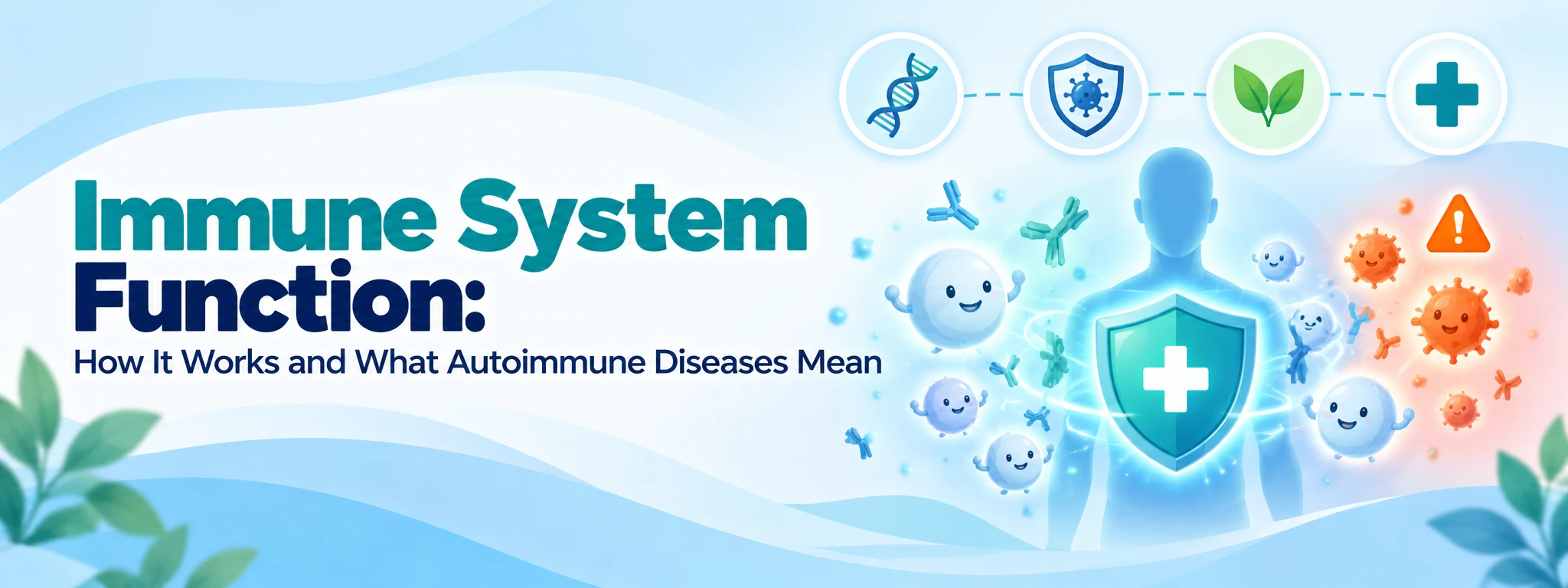
Immune System Function: How It Works and What Autoimmune Diseases Mean
The immune system protects your body from harmful germs, helps fight infections and supports healing. When its response becomes unbalanced, it can contribute to allergies, immune deficiencies or autoimmune diseases, in which the body mistakenly attacks its own healthy tissues.
Your immune system is a network of cells, tissues, organs and proteins that work together to protect your health. It recognises potential threats, responds to infections and helps your body recover from illness or injury. Understanding immune system function can help you recognise warning signs and know when to seek medical advice.
This guide explains how the immune system works, the difference between normal immunity and autoimmune disease, and when to consult a healthcare professional. If you are looking for medical advice in Patna or Jehanabad, choosing the appropriate doctor depends on your symptoms and medical needs.
What Is the Function of the Immune System?
The immune system is your body's natural defence network. It helps protect you against bacteria, viruses, fungi and parasites. It also helps remove damaged cells and supports the healing process.
Its main functions include:
Recognising threats: Identifying germs and other substances that may harm the body.
Fighting infections: Activating immune cells and proteins to control or eliminate harmful organisms.
Creating immune memory: Remembering certain germs so the body can respond more effectively to future exposure.
Supporting healing: Helping remove damaged cells and coordinate tissue repair.
Maintaining balance: Regulating immune responses so they do not cause unnecessary damage to healthy tissues.
A healthy immune system does not mean you will never get sick. It means your body has defence mechanisms that work together to manage threats and recover from many illnesses.
How Does the Immune System Work?
The immune system uses two main types of defence: innate immunity and adaptive immunity. Both work together to recognise and respond to threats.
1. Innate immunity: The first line of defence
Innate immunity is the protection you are born with. It includes your skin, mucous membranes and immune cells that respond quickly when germs enter your body.
For example, your skin acts as a barrier against many harmful organisms. If germs enter through a cut, immune cells may trigger inflammation to help control the threat and begin healing.
2. Adaptive immunity: A targeted response
Adaptive immunity develops as your body encounters different germs and vaccines. Specialised cells, including B cells and T cells, help recognise particular threats and coordinate targeted responses.
B cells can produce antibodies, which bind to specific targets. Some B and T cells form immune memory, helping the body respond more efficiently if it encounters the same threat again.
| Feature | Innate immunity | Adaptive immunity |
|---|---|---|
| When it works | Responds quickly | Develops a targeted response |
| Recognition | Responds to broad patterns of danger | Recognises specific antigens |
| Main components | Skin, barriers and innate immune cells | B cells, T cells and antibodies |
| Immune memory | Limited or different from adaptive memory | Can develop specific immune memory |
| Example | Early response to a cut or infection | Antibody response after vaccination |
Vaccination helps train the adaptive immune system to recognise certain germs without requiring you to experience the full disease.
What Are the Main Parts of the Immune System?
Several organs, cells and proteins work together to protect your body.
White blood cells: Help detect and fight infections.
Antibodies: Proteins that bind to specific targets, helping the immune system recognise them.
Lymph nodes: Filter lymph fluid and provide sites where immune cells can meet and respond to threats.
Bone marrow: Produces blood cells, including many immune cells.
Thymus: Helps T cells mature.
Spleen: Filters blood and supports immune responses.
Skin and mucous membranes: Help prevent germs from entering the body.
Cytokines and complement proteins: Help immune cells communicate and coordinate defence responses.
These components work as a connected system. A problem affecting one part can sometimes change how the immune system responds.
What Is an Autoimmune Disease?
An autoimmune disease occurs when the immune system mistakenly attacks healthy cells or tissues in the body. Instead of protecting only against harmful threats, the immune response damages part of the person's own body.
Researchers are still studying why autoimmune diseases develop. Genetic factors, environmental influences and other factors may contribute, depending on the condition. Autoimmune diseases are not caused by a single factor in every patient.
Examples include:
Rheumatoid arthritis: Mainly affects joints and can cause pain, swelling and stiffness.
Lupus: Can affect the joints, skin, kidneys and other organs.
Type 1 diabetes: The immune system attacks insulin-producing cells in the pancreas.
Multiple sclerosis: The immune system damages protective coverings around nerves in the central nervous system.
Hashimoto's thyroiditis: The immune system attacks the thyroid gland and can lead to an underactive thyroid.
Autoimmune diseases differ in how they affect the body. Some primarily affect one organ, while others can involve several body systems.
What Are the Symptoms of an Autoimmune Disease?
Autoimmune disease symptoms depend on the condition and the body parts affected. Common symptoms can include:
Persistent fatigue
Joint pain, swelling or stiffness
Unexplained skin rashes
Recurrent or persistent inflammation
Digestive problems
Unexplained fever
Changes in weight
Muscle weakness or other symptoms affecting daily activities
These symptoms do not automatically mean you have an autoimmune disease. Many other conditions can cause similar problems, so a healthcare professional needs to assess the full picture.
Seek medical advice if symptoms persist, keep returning or interfere with daily activities. Sudden severe symptoms, difficulty breathing, confusion or rapid deterioration need urgent medical assessment.
How Are Autoimmune Diseases Diagnosed?
There is no single test that diagnoses every autoimmune disease. Doctors usually consider your symptoms, medical history, physical examination and targeted investigations.
Depending on the suspected condition, tests may include:
Complete blood count (CBC)
Inflammation markers such as ESR or CRP
Specific antibody tests
Organ-function tests
Imaging or other investigations when needed
A positive autoimmune antibody test does not always mean someone has an autoimmune disease. Doctors interpret test results alongside symptoms and other findings. Some people need assessment by a specialist, such as a rheumatologist or endocrinologist.
Do not order broad immune panels or interpret individual results without medical guidance.
How Can You Support Your Immune System?
No food, supplement or lifestyle change can guarantee that you will avoid infections. However, everyday habits can support normal immune function and overall health.
Eat a balanced diet
Include vegetables, fruits, whole grains, pulses, nuts and appropriate sources of protein. Nutrient deficiencies can affect immune function, so discuss suspected deficiencies with a healthcare professional.
Get enough sleep
Regular, adequate sleep supports many processes involved in immune regulation. Keep a consistent sleep schedule and seek advice if sleep problems persist.
Stay physically active
Regular physical activity supports general health. Choose activity appropriate to your age, fitness and medical conditions.
Keep vaccinations up to date
Vaccines help the immune system recognise specific infections and reduce the risk of serious illness. Ask your healthcare professional which vaccines are recommended for you.
Avoid smoking and limit alcohol
Smoking harms health and can interfere with normal immune defences. Excessive alcohol use can also affect the body's ability to respond to infections.
Use supplements carefully
Supplements are useful for certain deficiencies or medical needs, but taking extra vitamins does not automatically strengthen immunity. Some supplements can interact with medicines or cause harm at high doses.
If you have a chronic illness or take medicines that suppress the immune system, ask your doctor for advice tailored to your situation.
When Should You See a Doctor?
Consider a medical consultation if you have persistent unexplained symptoms, repeated infections, prolonged fatigue, unexplained weight changes or ongoing joint swelling and pain.
A doctor can assess possible causes and decide whether blood tests, further investigations or specialist referral are needed. Repeated infections do not always mean your immune system is weak; the pattern, severity and medical history all matter.
People searching for a general physician in Patna or medical consultation in Jehanabad should look for a qualified clinician who can evaluate their symptoms and arrange appropriate follow-up.
Medical Consultation at KSMCH, Jehanabad
Kurma Sanskriti Medical College & Hospital (KSMCH) is located in Kurma, Jehanabad, Bihar. Its official General Medicine Department page lists comprehensive medical consultations, management of chronic diseases, diagnosis and treatment of infections, and preventive health checkups.
If you are experiencing persistent fatigue, unexplained fever or other symptoms that concern you, a general medical consultation can help identify the next appropriate step. A doctor can assess whether your symptoms require basic investigations or referral to a relevant specialist.
KSMCH is located in Jehanabad, not Patna. Patients travelling from Patna or nearby districts should confirm OPD timings and service availability before visiting.
Useful links:
Hospital: Kurma Sanskriti Medical College & Hospital
Address: Kurma, Jehanabad, Bihar – 804417
Phone: +91-9155266001 / +91-9955990975
For suspected autoimmune disease, ask the doctor whether a specialist referral is appropriate. Do not assume that every symptom requires immune-system testing or that KSMCH provides a dedicated autoimmune clinic unless the hospital confirms this.
Frequently Asked Questions
1. What is the main function of the immune system?
The immune system protects the body from harmful germs, helps control infections, supports healing and develops targeted responses to some threats it encounters.
2. What are the signs of a weak immune system?
Depending on the cause, warning signs may include frequent, severe or unusually persistent infections. These symptoms can have many causes and should be assessed by a healthcare professional.
3. What is the difference between immunity and an autoimmune disease?
Immunity helps defend the body against threats. An autoimmune disease occurs when the immune system mistakenly attacks healthy cells or tissues.
4. Can stress affect the immune system?
Long-term stress can affect sleep, behaviour and processes involved in immune regulation. It does not mean that stress alone causes an autoimmune disease.
5. Which foods support immune function?
A balanced diet containing vegetables, fruits, whole grains, pulses, protein sources and healthy fats supports overall health. No single food can prevent every infection or cure an autoimmune condition.
6. Can an autoimmune disease be cured?
Many autoimmune diseases are long-term conditions, but treatments can help control symptoms, reduce inflammation and protect affected organs. Treatment depends on the specific disease.
7. Which tests check immune system function?
Tests depend on the symptoms and suspected condition. A doctor may recommend a CBC, specific antibody tests, inflammation markers or other targeted investigations. No single test checks every aspect of immunity.
8. Are autoimmune diseases hereditary?
Some autoimmune diseases have genetic risk factors, but family history does not mean someone will definitely develop the condition. Environmental and other factors may also contribute.
9. When should I consult a doctor about immune system problems?
Seek medical advice for persistent unexplained symptoms, repeated or unusually severe infections, or symptoms that interfere with daily life. Severe or rapidly worsening symptoms need urgent assessment.
10. Where can I seek a general medical consultation in Jehanabad?
You can review the General Medicine Department and OPD information at KSMCH in Kurma, Jehanabad, and contact the hospital to confirm appointment timings and service availability.
Medical disclaimer: This article is for general education and does not replace a medical consultation or individual diagnosis.
No approved comments yet. Be the first to share your thoughts.